
Why a new mom needs to visit a physiotherapist after pregnancy
Pregnancy leads to several changes in a mother’s body including the physical, mental and hormonal ones. While these changes start disappearing on their own after delivery, in some cases, it advances and causes great discomfort. Sleep deprivation, fatigue, breastfeeding, lifestyle habits, and disrupted routine changes all can take a toll on the mother’s health. One of the common issues that most mothers face after delivery is muscular pain. The aches and pain in the various body parts are generally a result of uterine contractions during delivery, incisions, breastfeeding, incorrect posture, and chemical changes. To ease these acute pregnancy-related pains, a mother requires physiotherapy treatment. Here are 5 physiotherapeutic interventions done post-pregnancy that every new mother should consider:
1 – For pelvic floor muscles
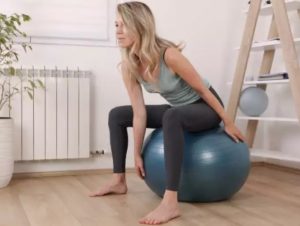
Pelvic floor muscles are responsible to provide support to the womb during gestation. However, during vaginal birth, these muscles stretch to their utmost limit i.e to 4 times their normal size. In this process sometimes they even get ruptured. Due to all these extreme changes, the muscles require rehabilitation. A physiotherapist vigilantly examines and assesses the muscle condition of the pelvic region and accordingly provides its treatment.
2 – For abdominal muscles

Pregnancy causes the two main abdominal muscles to get distanced from each other. Performing something specific can help to repair these distanced and weakened muscles. Regular exercising as instructed by the physiotherapist can help to thicken and strengthen the muscles and assist them to fix the separation.
3 – For the musculoskeletal region
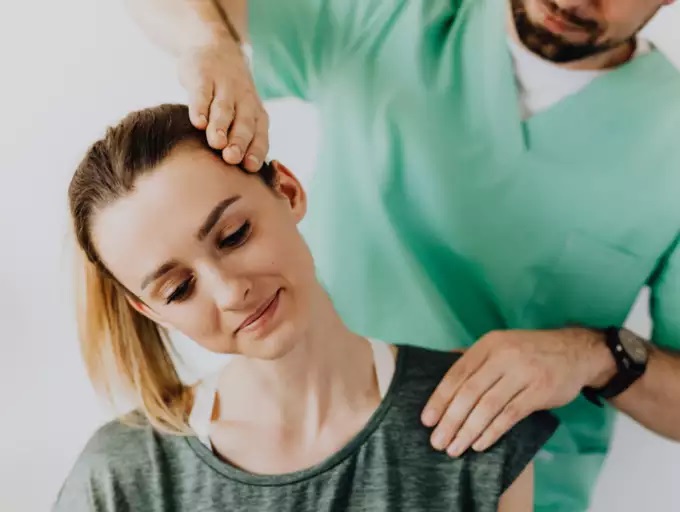
Soon after the delivery, a mother experiences pain in the pelvic girdle and the back. The reason for these pains is the constant bending of the head and rounding of the shoulders while carrying or breastfeeding the newborn. Suitable exercises and physiotherapy interventions can help a mother to get rid of this pain.
4 – Bladder-bowel dysfunction
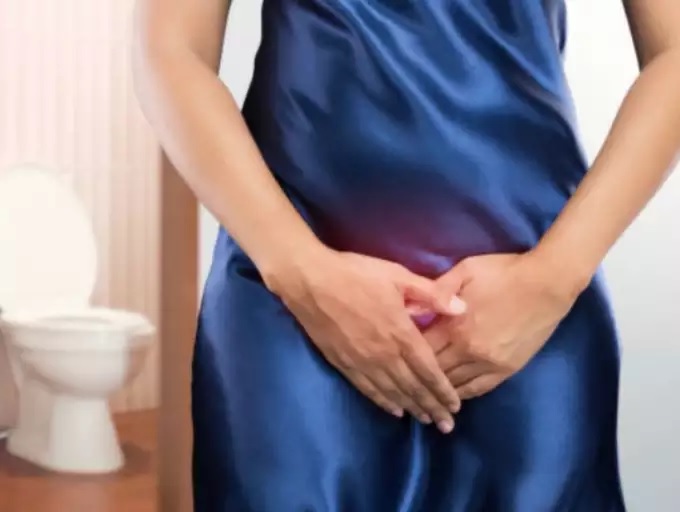
It’s the contraction and dilation across the pelvic muscles that causes urination or excretion. Since these muscles are also accountable for carrying the womb, their rupture or deformity can cause severe pain and dysfunction. Such dysfunction can easily be rectified with physiotherapy help.
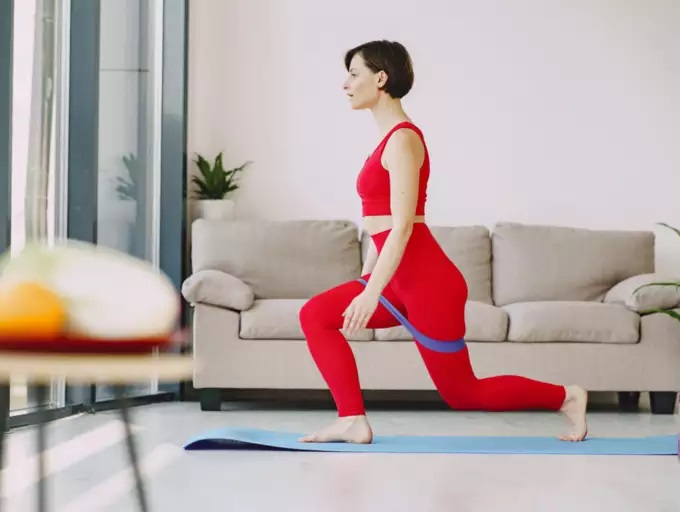
It is crucial to bring back the body to the normal non-pregnant state after delivery. To be fit and perform the mother duty better, new moms are required to plan out their exercise and meditation routine. Physiotherapy programs can help you reach your goal successfully by providing physical strength to the body.